Mid-river fishing action, a screaming drag, and May low water: a report from the season opener on the Bug river in Poland
Opening day on the Bug river. See how extreme low water changed our approach to May asp and how Marek broke his personal best with a Wild River guide.
“Cast right to the edge of the sandbar – where the bright yellow sand fades and the water turns dark,” I tell Marek. He booked a guided trip with us near Warsaw to finally crack the code on these fast river predators. We’re anchored dead center in the middle of the Bug, surrounded by a massive, exposed gravel bar we’ve been pounding since dawn. On the other side, the current squeezes against an underwater ledge rising almost to the surface. A solid asp has busted topwater there twice already.
Marek fires a heavy, aerodynamic minnow plug a good sixty meters out. The lure splashes down right on the money – exactly where the shallow, 20-centimeter sand flat drops off sharply into a two-meter hole.
Targeting asp on river drop-offs requires long-distance casting and is easily one of the most exciting ways to fish a river. The reel spins at top speed. Sometimes we retrieve slowly, but when fish are visibly busting bait on the surface, you have to burn it – fast, faster, and faster still. After dozens of casts, doubt starts to creep in. “I don’t think they’re on today,” Marek mutters. His voice is instantly cut short by a violent strike that nearly tears the rod from his grip.
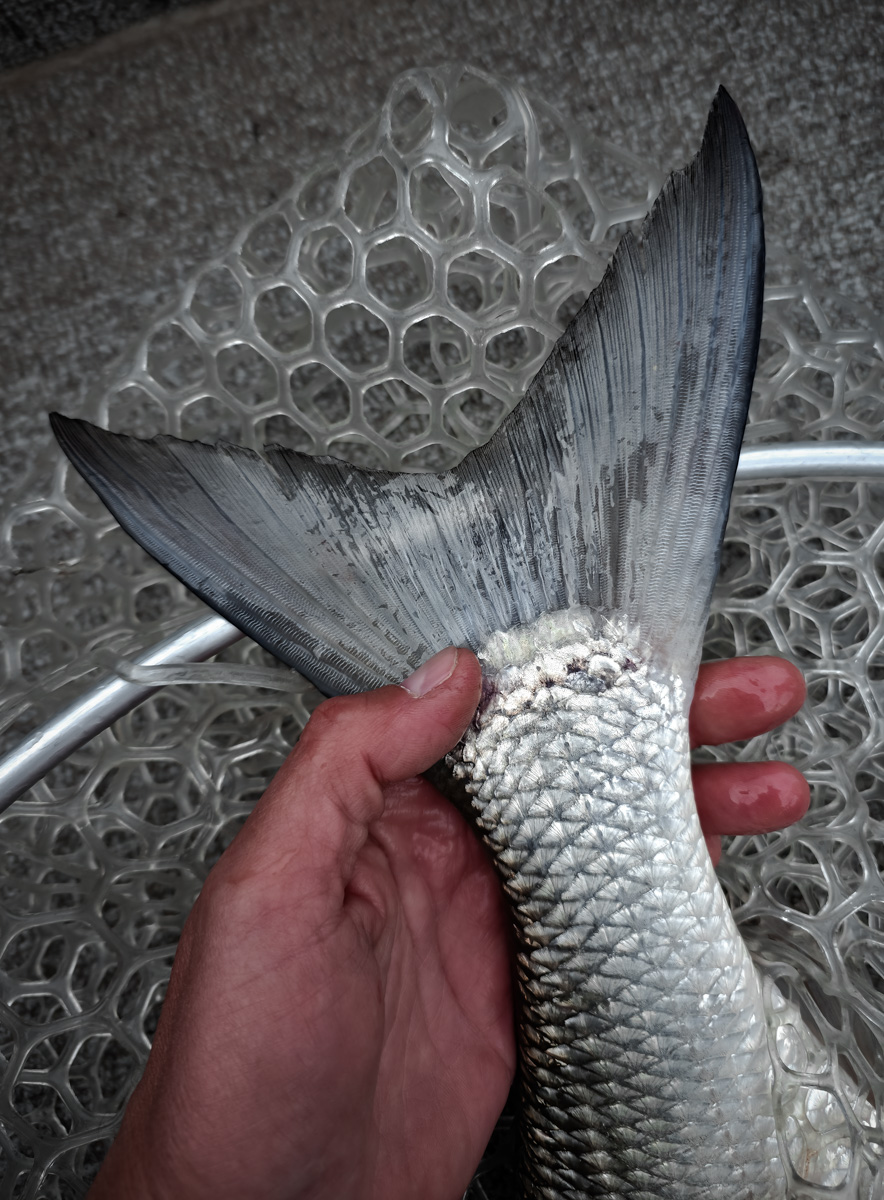
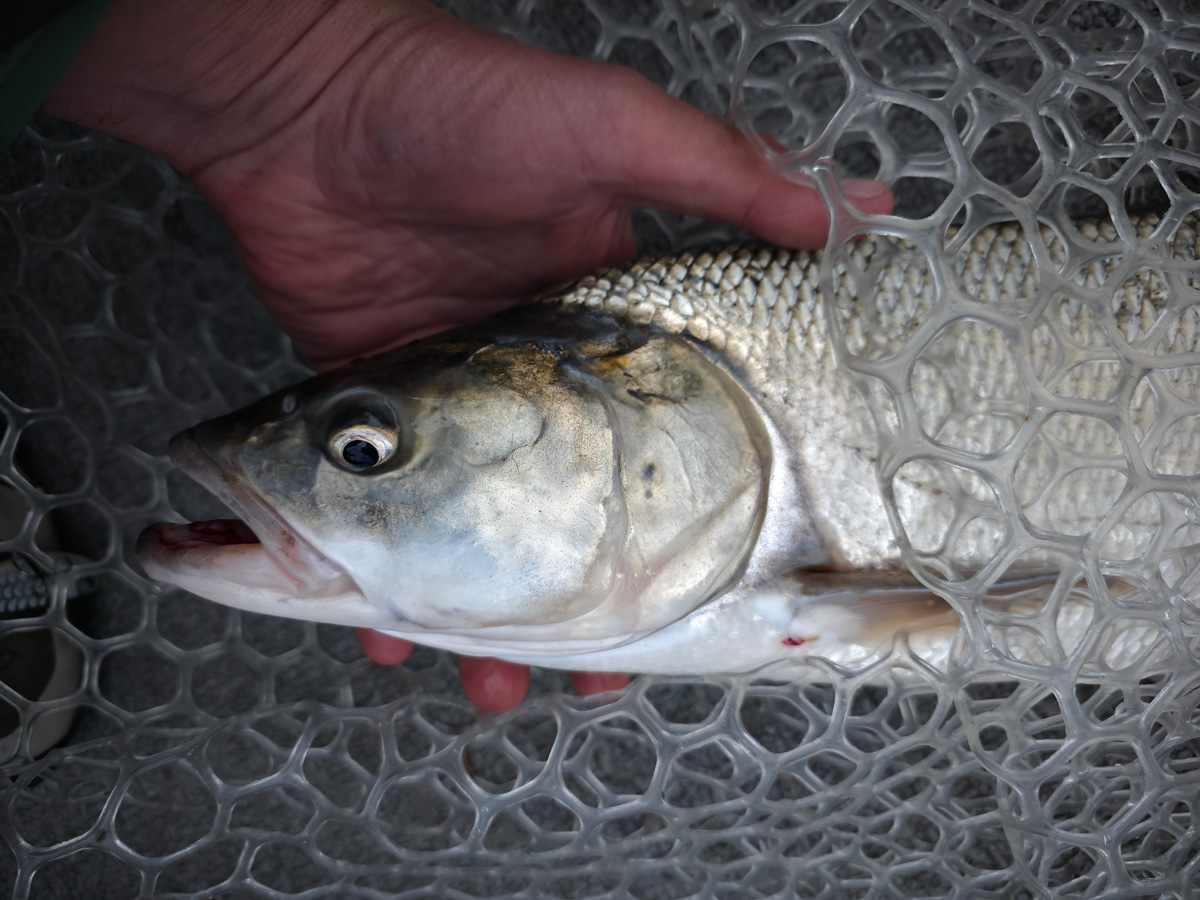
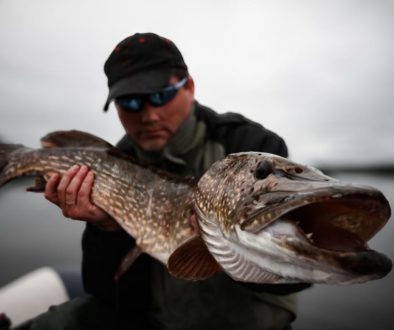
The water explodes. The fish hitches a ride on the heavy current behind the bar and peels off fifteen meters of line downriver. After a few minutes of tense, careful fighting, a thick-shouldered river torpedo slides into the net. The tape reads exactly 74 centimeters of solid Bug river silver. For Marek, this is a milestone – officially his personal best. A quick shout of joy echoes across the wild river valley, and after a few fast photos, the fish goes straight back into the current in perfect shape.
That single fish tells the whole story of this year’s May opener. It was nothing like previous seasons – way tougher, but on most days, incredibly rewarding.
May on the Bug: When the river shows its bones
This May, the Bug River hit us with a massive drought. Spots where we were safely running gas outboards a year or two ago turned into dry sand and endless shallows. The classic May playbook – looking for asp tight against overhanging bushes or steep, undercut banks – went right out the window.
The extreme low water from day one forced the fish to completely abandon their usual spring holding areas. The asp backed off the banks, looking for deeper, cooler, and better-oxygenated water in the main river channels. Instead of casting into the shade of overhanging limbs, the key was reading the open water. We shifted our focus to the sandbars, deep troughs, mid-river seams, and any ledge where the current picked up speed. That’s where the schools of bleak were holding, and the predators followed.
Low-water asp tactics: How to adapt
While running our guided trips, we had to quickly dial in a repeatable pattern that would trigger bites in these tough conditions. In low water, asp get incredibly spooky, so success came down to two things: casting distance and stealth.
Burning lures in clear water
On bright, sunny days, the absolute best tactic was a blistering, high-speed retrieve. A fish sitting on a sun-drenched, shallow sandbar can’t be given time to inspect the lure. A precise cast well past the fish, a high rod tip, and cranking as fast as the reel allows – this forced the asp into an instinctive reaction strike.
Changing it up
Things changed on colder, overcast, or windy days. When a chop broke up the surface and less light reached the bottom, the asp dropped deeper into the river troughs. That’s when we switched to heavier, sinking blade baits with a tight, vibrating action. We fished them significantly slower, letting them work closer to the bottom.
On one of these cold days, our client Janusz – who wanted to see exactly how a professional guide breaks down a river – read the conditions perfectly. Instead of burning a topwater lure, he started working a deeper run behind a sandbar, casting across the current and letting the plug swing on a tight line. He was rewarded with a fat, hard-hitting May fish that struck mid-depth, proving that flexibility on the Bug is everything.
The best asp lures for low water
In a severe drought, you need variety in your box, but you don’t need a ton of gear – a few specific lures will do the job. Forget fat, deep-diving crankbaits with wide wobbles. Your top choices for this season are:
- Slender, heavy lipped minnows: The absolute number one this year. They cast a mile – which is crucial for not spooking fish with the boat or your silhouette – and when ripped fast, they run right under the surface, tempting fish feeding on the edges of the flats.
- Blade baits / Tail-spinners: The go-to option for reaching deeper water columns when asp are holding in the main troughs or in deep pockets below current riffles.
Usually, switching between two or three different minnows is enough to trigger a fish if you’re in the right spot at the right time. But if the bite shuts down, you have to grind it out until you find the exact model and color that fools a cautious fish. It’s always worth hitting a prime spot again later; a sandbar that looked completely dead in the morning can easily produce a trophy fish a few hours later. Our pressured, heavily fished rivers demand focus and patience, but the payoff is worth every cast.
The low water on the Bug tested our patience, but it taught us some of the best lessons in river strategy we’ve had in years. If you want to learn how to read mid-river sandbars, understand how wild asp move, and experience a real adventure – join us at Wild River. We’ll show you a side of this river you’ve never seen before.